

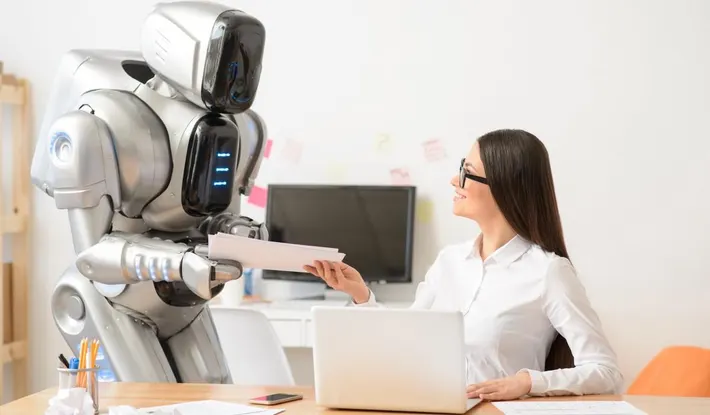
The modern corporate ecosystem is undergoing a fundamental transformation. For decades, enterprise technology served as a collection of passive tools designed to record data, process transactions, or transmit messages. Today, workplace systems are evolving into intelligent, active infrastructure capable of understanding context, automating complex multi-step workflows, and adapting dynamically to human behavior.
The modern workplace is no longer defined by a physical office building or a rigid eight-hour schedule. Instead, it is an interconnected digital environment powered by data, artificial intelligence, hyper-automation, and cloud infrastructure. Organizations that embrace these advanced technologies are discovering that true efficiency comes from reducing friction, removing repetitive administrative burdens, and enabling human employees to focus on strategic, high-value decision-making.
Understanding how smarter technology shapes the modern workplace reveals why digital transformation is no longer an option, but a mandatory operational strategy.
The Rise of Intelligent Automation and Autonomous Workflows
Early business automation relied on static, rule-based scripts that required constant human supervision. If an unexpected variable entered a workflow, the process halted, requiring manual intervention. Modern enterprise technology operates on a completely different paradigm by blending machine learning, natural language processing, and advanced analytics.
Rather than simply providing static static reports, intelligent systems evaluate operational data in real time, spot anomalies, and execute corrective actions without needing constant oversight. This evolution shifts technology from a passive repository of information into an proactive engine for operational performance.
-
Autonomous Task Execution: Advanced digital assistants manage calendar conflicts, extract critical insights from long cross-departmental documentation, and update records across multiple corporate systems automatically.
-
Proactive IT and Facility Support: Automated monitoring platforms identify software glitches or network bottlenecks before employees notice them, initiating diagnostic scripts to resolve technical issues pre-emptively.
-
Dynamic Resource Allocation: Intelligent operational software automatically routes customer requests, supply chain orders, or project assignments to team members based on real-time availability and skill profiles.
By streamlining daily operations, organizations drastically reduce human error, shorten task execution times, and liberate staff members from mundane administrative maintenance.
Reimagining the Hybrid and Remote Employee Experience
The rapid adoption of flexible work policies accelerated the need for digital solutions that support seamless collaboration regardless of physical geographic location. Early remote work environments often suffered from communication gaps, app fatigue, and fragmented information across dozens of disconnected platforms.
Smarter technology bridges these gaps by establishing unified digital workplace platforms. These platforms consolidate messaging, document creation, project management, and video conferencing into single interactive environments.
Furthermore, hyper-intelligent smart offices cater directly to hybrid personnel. When employees visit a physical location, Internet of Things sensor networks provide real-time visibility into desk availability, meeting room occupancy, and environmental quality controls like temperature or air circulation. This creates a seamless transition between working from home and working on-site, ensuring that physical spaces serve genuine collaboration rather than arbitrary attendance tracking.
Data-Driven Decision-Making and Predictive Insights
Historically, business strategies relied heavily on historical quarterly reports and intuitive guesswork. While experience remains valuable, modern business moves too fast for reactive management strategies. Intelligent analytics platforms allow leadership teams to make data-backed decisions instantaneously.
Smarter tools analyze massive datasets from customer interactions, market trends, supply chain logistics, and employee engagement metrics. This analysis generates predictive models that highlight emerging market opportunities or signal operational risks well in advance.
For instance, predictive human resources analytics assist managers in identifying burnout trends across departments by evaluating work schedules, meeting density, and task overload. Executive leaders can then intervene with workload adjustments before valuable talent leaves the organization. Similarly, predictive financial software projects revenue shifts based on live market conditions, enabling companies to adjust budgets dynamically rather than waiting for formal audit cycles.
Sustainable Infrastructure and Energy Optimization
Smart workplace technology is also redefining environmental sustainability in corporate real estate. Facilities operations represent a substantial portion of an enterprise footprint, and legacy buildings often consume energy inefficiently due to static heating, cooling, and lighting schedules.
Connected smart building systems utilize hyper-intelligent sensor networks to match resource consumption with actual human usage. HVAC platforms automatically adjust temperature and airflow depending on how many people occupy a specific zone or floor. Smart lighting systems dim or shut off completely in unoccupied zones, significantly curbing electricity waste.
By linking environmental controls with real-time occupancy data, enterprises reduce operating overhead costs while meeting increasingly strict environmental compliance targets and sustainability metrics.
Cybersecurity in a Decentralized Digital Ecosystem
As organizations deploy interconnected technologies, the enterprise security perimeter becomes far more complex. Connecting thousands of remote devices, mobile applications, cloud services, and Internet of Things platforms creates potential vulnerabilities if managed with legacy security protocols.
Smarter technology meets this challenge through Zero Trust architecture and automated cybersecurity governance. Modern security frameworks assume that no user, device, or application is inherently trustworthy simply because it connects to an internal network.
Advanced security software continuously monitors user behavior and access patterns. If an employee credentials attempt to access sensitive database files from an unusual device or geographic region, automated security systems challenge the user for multi-factor authentication or isolate the session instantly. Machine learning algorithms process millions of security signals concurrently, identifying cyber threats, malware variants, and unauthorized data extraction long before human security teams can analyze the alerts.
Human-Centric Technology and Continuous Reskilling
A common misconception is that advanced technology aims to eliminate human workers. In practice, the primary goal of smart workplace infrastructure is augmentation, expanding human potential by taking over routine mechanics so employees can focus on innovation, critical thinking, and interpersonal relationship building.
However, integrating intelligent systems into everyday workflows requires continuous workforce adaptation. Successful organizations prioritize digital literacy, establishing structured reskilling and upskilling programs. Employees learn to partner with intelligent assistants, interpret complex analytical dashboards, and direct automated tools effectively.
Companies that pair advanced technical infrastructure with a human-centered learning culture build a resilient workforce capable of adapting to future technological shifts with confidence.
Frequently Asked Questions
What does smarter technology mean in the context of work?
Smarter technology refers to integrated digital solutions such as artificial intelligence, cloud infrastructure, automated workflows, and internet of things devices that actively adapt to user needs, automate tasks, and provide actionable real-time insights across an organization.
How does smart workplace technology improve overall employee productivity?
Smart tools increase productivity by automating repetitive administrative burdens, such as scheduling, data entry, and basic software troubleshooting. This allows employees to dedicate more time to creative, strategic, and high-impact project tasks.
What is the role of sensor networks in a modern hybrid office environment?
Sensor networks track room occupancy, desk availability, and environmental factors in real time. This data helps hybrid workers reserve available spaces quickly while allowing facilities teams to optimize heating, cooling, and lighting according to actual space usage.
How does artificial intelligence support cybersecurity in decentralized workplaces?
Artificial intelligence continuously monitors network traffic and user behavior across remote and on-site endpoints. It identifies security threats in real time, blocks suspicious access requests automatically, and minimizes data breaches faster than manual security operations.
Will smart workplace tools replace the need for human personnel?
Smart technology is designed to augment human work rather than replace it. While routine, manual tasks are automated, demand increases for roles centered around strategic decision-making, creative problem-solving, customer relationships, and technology governance.
How do intelligent technologies reduce energy waste in commercial buildings?
Intelligent facility platforms adjust lighting, heating, and ventilation automatically based on live room occupancy and external weather conditions, preventing energy waste in empty offices or underutilized building floors.
Why is digital upskilling important for modern organizations?
As technological systems grow more advanced, employees need updated skills to operate automated software, interpret analytical insights, and manage intelligent tools efficiently. Continuous upskilling ensures that staff members remain adaptable and confident in an evolving digital environment.

Comments are closed.