

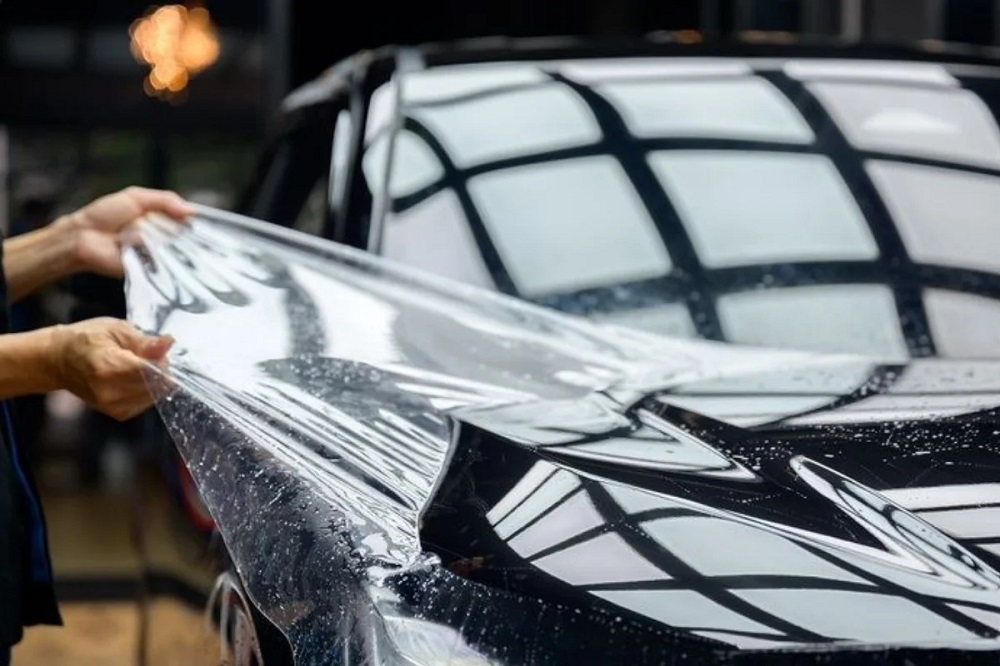
Maintaining a vehicle showroom shine requires more than regular washing and waxing. Daily driving exposes automotive paint to a barrage of environmental hazards, including gravel chips, road salt, bird droppings, bug splatter, tree sap, and harsh ultraviolet radiation. Over time, these elements cause unsightly swirl marks, paint fading, and permanent surface etching that diminish a vehicle aesthetic appeal and resale value.
Automotive Paint Protection Film, commonly referred to as PPF or clear bra, has become the premier defense for preserving vehicle exteriors. Engineered from high-grade thermoplastic polyurethane, modern protection films create a crystal-clear, impact-absorbing barrier over painted surfaces. Advances in chemical engineering have introduced self-healing topcoats, hydrophobic properties, and specialized finishes like satin and matte, making today PPF solutions more capable and visually seamless than ever before.
Choosing the right film involves understanding the differences in construction, finish, clarity, and warranty coverage. Evaluating the leading paint protection films available today helps vehicle owners make an informed decision for long-term paint preservation.
Key Factors to Evaluate Before Choosing a Paint Protection Film
Not all protection films are created equal. While low-grade films constructed from polyvinyl chloride can turn yellow, bubble, or crack within a couple of years, premium options utilize multi-layer thermoplastic polyurethane engineered for durability and optical clarity.
When comparing different films on the market, several critical technical factors should guide your evaluation:
-
Film Construction and Thickness: High-performing films typically range between 6 to 10 mils in total thickness, including the topcoat, polyurethane core, and pressure-sensitive adhesive. Thicker films offer enhanced impact resistance for high-exposure areas like front bumpers, while standard thickness balances flexibility and clarity.
-
Self-Healing Topcoat Technology: Premium films feature an elastomeric polymer topcoat that repairs minor scratches, swirl marks, and wash hazing. When exposed to heat from sunlight, warm water, or an engine bay, the polymer chains realign, smoothing out surface imperfections automatically.
-
Hydrophobic and Stain-Resistant Properties: Modern films incorporate nano-ceramic technology or slick fluoropolymer topcoats. These non-porous surfaces repel water, oil, road grime, and harsh environmental contaminants, making routine vehicle washing significantly easier.
-
Optical Clarity and Orange Peel Resistance: Superior films offer exceptional transparency without adding unwanted texture or distorting the factory paint finish. The adhesive layer must remain optically clear over time without yellowing or hazing under intense UV exposure.
-
Warranty and Manufacturer Backing: Industry-leading brands back their products with comprehensive 7 to 12-year warranties covering film yellowing, bubbling, cracking, peeling, and delamination when installed by certified professionals.
Top Automotive Paint Protection Films to Consider
The paint protection film industry features several established manufacturers known for rigorous testing, advanced material science, and strong installer support networks. The following films represent the top choices worth considering for your vehicle today.
XPEL Ultimate Plus and Stealth Series
XPEL remains one of the most recognized names in the automotive protection industry. The XPEL Ultimate Plus series is celebrated for its exceptional optical clarity, strong self-healing properties, and robust resistance to yellowing and staining.
Built with an advanced elastomeric polyurethane layer, XPEL Ultimate Plus self-heals light scratches and swirl marks when exposed to ambient heat. Its specialized edge-seal technology prevents dirt buildup along panel seams, keeping edges virtually invisible. For owners seeking a satin transformation, XPEL Stealth delivers the same physical defense while converting glossy factory paint into a smooth, matte finish.
XPEL products are paired with the company proprietary Design Access Program software, allowing installers to pre-cut precise film templates for thousands of vehicle makes and models, minimizing the need for manual razor blade cutting on painted surfaces.
STEK DYNOshield and DYNOseries
STEK Automotive has carved out a major presence among automotive enthusiasts due to its focus on hydrophobic performance and aesthetic versatility. Their flagship product, STEK DYNOshield, features an integrated nano-ceramic topcoat applied during the manufacturing process.
This built-in ceramic layer provides extreme water-beading behavior and a glass-like finish, reducing the need for post-installation ceramic coatings. STEK films exhibit high stain resistance against bug splatter, bird droppings, and hard water minerals.
In addition to clear protection, the STEK DYNOseries offers creative customization options, including matte finishes, carbon fiber patterns, and color-shifting protective films that allow owners to change their vehicle appearance while securing heavy-duty paint protection.
3M Scotchgard Paint Protection Film Pro Series
3M is a pioneer in material science and adhesive technology, and its Scotchgard Paint Protection Film Pro Series reflects over half a century of automotive chemical innovation. Designed for maximum durability, 3M Pro Series offers strong resistance against severe stone impacts, abrasion, and environmental weathering.
The film features an advanced self-healing topcoat and an ultra-clear, non-yellowing adhesive system engineered to withstand prolonged sun exposure in harsh climates. 3M Pro Series is widely trusted by professional detailing studios, collision repair centers, and automotive dealerships worldwide, backed by a comprehensive 10-year consumer warranty.
LLumar Platinum and Valor Series
Manufactured by Eastman Chemical Company, LLumar is a global leader in protective window films and paint protection technology. The LLumar Platinum series utilizes proprietary Hydrogard technology, an advanced topcoat that repels dirt, water, and road chemicals while offering smooth self-healing properties.
For vehicle owners looking for an all-in-one protective solution, LLumar Valor combines paint protection film with an integrated ceramic surface layer. This hybrid design delivers the physical impact resistance of a thick polyurethane film along with the intense gloss, slickness, and self-cleaning attributes typically associated with ceramic coatings.
SunTek Ultra and Reaction Series
Also engineered under the Eastman Chemical umbrella, SunTek provides exceptional clarity and installer-friendly elasticity. SunTek Ultra features an updated topcoat designed to resist water spots, harsh road salts, and yellowing, making it an excellent option for daily-driven vehicles exposed to winter weather.
The SunTek Reaction series takes performance further by fusing ceramic hydrophobic technology directly into the self-healing polyurethane core. The result is a high-gloss finish that keeps vehicles cleaner for longer periods while shielding vulnerable body panels from gravel impacts and road debris.
Kavaca by Ceramic Pro
Kavaca is developed by Ceramic Pro, a recognized authority in ceramic surface coatings. Designed from the ground up to integrate seamlessly with ceramic protective layers, Kavaca Instant-Healing PPF utilizes advanced elastomeric technology that heals surface micro-scratches almost instantly at room temperature without requiring heat activation.
Kavaca is available in pre-coated options that feature a factory-applied layer of Ceramic Pro, providing immediate hydrophobic performance, enhanced gloss, and strong chemical resistance right out of the box.
Full Vehicle Wrap vs. Partial Coverage Options
When investing in paint protection film, vehicle owners can choose between full-body coverage and targeted partial installations based on budget and driving habits.
-
Partial Front End (Track Pack): Focuses exclusively on high-impact areas, including the front bumper, full or partial hood, front fenders, and side mirrors. This cost-effective configuration shields the surfaces most vulnerable to highway stone chips.
-
Full Front End: Covers the entire front bumper, full hood, front fenders, headlights, and side mirrors. Eliminating visible film lines across the hood provides a seamless look while preserving high-exposure panels.
-
Full Vehicle Wrap: Encloses every painted panel, including doors, rear quarter panels, roof, trunk lid, and rocker panels. This comprehensive option provides absolute protection against parking lot door dings, swirling from improper car washing, environmental fallout, and road debris.
Maintenance Practices to Extend Film Longevity
While modern protection films are remarkably durable, following proper care protocols ensures the film maintains its optical clarity and hydrophobic properties throughout its service life.
-
Allow Proper Curing Time: After installation, avoid washing the vehicle or exposing it to high-pressure water for at least 7 to 14 days to allow the adhesive to set completely.
-
Use Touchless or Two-Bucket Washing: Wash the vehicle using a pH-neutral automotive shampoo and clean microfiber wash mitts. Avoid automated mechanical car washes with abrasive brushes that can lift film edges or dull the topcoat.
-
Keep Pressure Washers at a Distance: When pressure washing, maintain a distance of at least 12 to 18 inches from the film surface, and avoid spraying directly at seams or cut edges.
-
Apply PPF-Safe Sealants: Enhance the film hydrophobic behavior by applying dedicated PPF ceramic boosters or spray sealants free from harsh solvents, heavy petroleum distillates, or abrasive polishing compounds.
Frequently Asked Questions
Can paint protection film be installed over a ceramic coating?
No, paint protection film should never be applied on top of an existing ceramic coating. The hydrophobic properties of a ceramic coating prevent the film pressure-sensitive adhesive from bonding securely to the paint, leading to lifting, bubbling, and premature failure. However, a ceramic coating can be safely applied on top of a newly installed paint protection film to enhance water repellency and ease of cleaning.
How long does a high-quality paint protection film typically last?
A professionally installed, high-quality thermoplastic polyurethane film generally lasts between 7 to 10 years, depending on climate exposure, driving conditions, and maintenance routines. Premium brands back their films with multi-year warranties covering discoloration, cracking, peeling, and delamination.
Will removing paint protection film damage the vehicle factory paint?
If the film was installed over original, fully cured factory paint, professional removal will not cause damage. Technicians use controlled heat and specialized adhesive removers to soften the polyurethane and safely peel the film away, leaving the underlying paint intact and preserved in its original condition.
How does heat trigger the self-healing process on modern PPF?
The topcoat of modern film is composed of elastomeric polymers that possess shape memory. When minor scratches or swirl marks disrupt this top layer, applying heat from direct sunlight, hot water, or a heat gun softens the polymer bonds, allowing them to flow back into their smooth, level state and eliminating the visible scratch.
Is paint protection film better than ceramic coating for stone chips?
Yes, paint protection film is significantly better at preventing stone chips than a ceramic coating. A ceramic coating is a thin liquid polymer that hardens to protect against light swirl marks, chemical etching, and UV rays, but it lacks the physical thickness required to absorb kinetic impacts. PPF is a thick polyurethane barrier engineered specifically to absorb kinetic energy from road debris and gravel.
Can paint protection film be applied to a car with repainted panels?
Yes, but the repainted panels must be fully cured before film installation, which typically requires waiting 30 to 60 days after body shop painting. Installing film over fresh, uncured paint can trap solvent gas, causing bubbles, or risk pulling the clear coat off the panel if the film ever needs to be removed.
What is the difference between glossy PPF and matte or satin PPF?
Glossy PPF is completely transparent and designed to preserve the original high-gloss finish of your vehicle factory paint without altering its appearance. Matte or satin PPF features a specialized diffused topcoat that transforms shiny paint into a smooth satin finish while shielding the underlying paint from physical damage.

Comments are closed.